
Hermetic Feedthrough Standards and Compliance Requirements
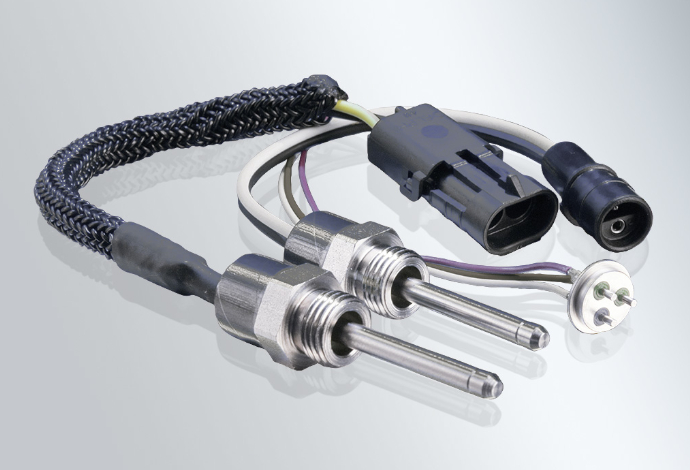
Are you in the business of manufacturing sensitive electronic equipment that requires hermetic sealing? If so, understanding hermetic feedthrough standards and compliance requirements is crucial for ensuring the reliability and safety of your products. In this article, we will explore the key standards and regulations that govern hermetic feedthroughs, and why compliance is essential for your business.
What are Hermetic Feedthroughs?
Hermetic feedthroughs are specialized components used to pass electrical signals or fluids through a sealed barrier, such as the walls of a vacuum or pressure chamber. These feedthroughs play a critical role in maintaining the integrity of the sealed environment by preventing the ingress of contaminants or the leakage of gases or fluids. They are commonly used in a wide range of industries, including aerospace, medical, and industrial manufacturing.
Why Compliance is Important
Ensuring compliance with hermetic feedthrough standards is essential for several reasons. First and foremost, compliance helps to guarantee the safety and reliability of your products. Non-compliant feedthroughs can lead to leaks, contamination, or even catastrophic failures, putting both your customers and your reputation at risk. Additionally, meeting industry standards is often a requirement for doing business in certain markets or with specific customers.
Standards and Regulations
There are several standards and regulations that govern the design, manufacture, and testing of hermetic feedthroughs. Some of the most important include:
- MIL-STD-883: This standard outlines the requirements for hermetic sealing of electronic components and includes testing procedures to ensure the integrity of the seal.
- IPC-HDBK-001: This handbook provides guidelines for the design and assembly of hermetic feedthroughs, with a focus on minimizing the risk of leaks or contamination.
- ISO 13485: This standard is specifically for medical device manufacturers and includes requirements for the design and testing of hermetic feedthroughs used in medical applications.
Ensuring compliance with these and other relevant standards is essential for meeting industry requirements and customer expectations.
Testing and Certification
In addition to following industry standards, it is also important to conduct rigorous testing and certification of hermetic feedthroughs. This can include leak testing, thermal cycling, and mechanical stress testing to ensure the integrity of the seal under a variety of conditions. Certification by an accredited testing laboratory provides an additional level of assurance that your feedthroughs meet the necessary requirements.
Conclusion
In conclusion, understanding and complying with hermetic feedthrough standards and regulations is essential for the safety, reliability, and success of your products. By following industry standards, conducting thorough testing, and obtaining certification, you can ensure that your feedthroughs meet the necessary requirements and provide lasting value to your customers. Don’t cut corners when it comes to compliance – the risks of non-compliance far outweigh the benefits.


